
Frequently asked questions
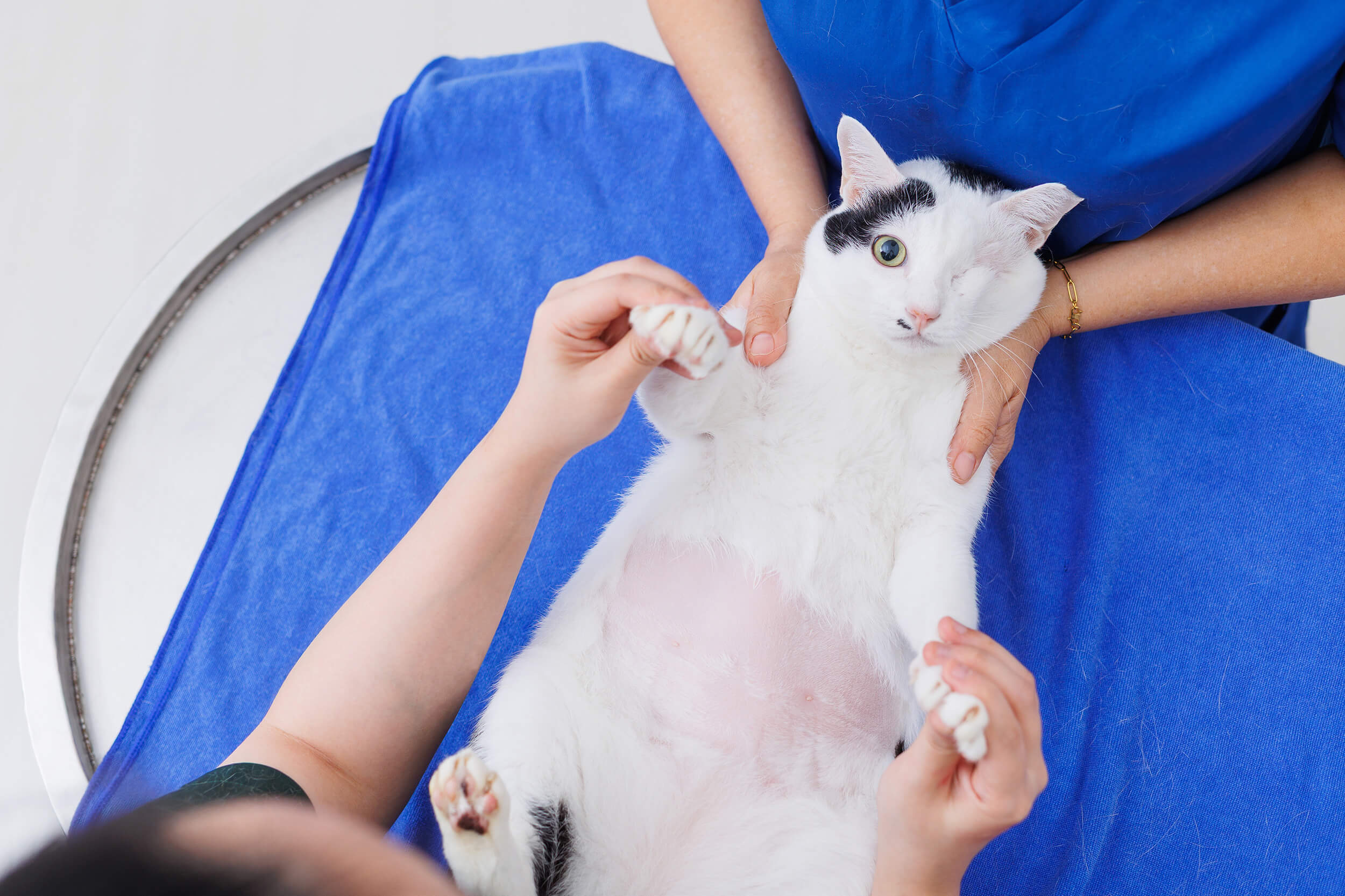
How often should I bring my pet in for a check-up?
As early as birth, pets should be checked for congenital defects such as cleft palate, atresia ani and others. At 2 weeks: deworming begins. From 6-8 weeks onwards: vaccinations start.
Most pets benefit from a yearly check-up to monitor overall health, update vaccinations, and catch potential issues early. Senior pets or those with ongoing conditions may need more frequent visits, generally about twice a year. Annual health checks are recommended, including blood tests, ultrasound, and radiographs.
When can I neuter my cat/dog?
Neutering can be done as early as 5 months old, or before the first heat cycle for females, and when the testicles have descended into the scrotum for males.
How can I improve my pet's dental hygiene at home?
Regular tooth brushing with pet-safe toothpaste is the best prevention. Dental chews, toys, and professional cleanings also help reduce plaque and tartar buildup.
Do you offer emergency services?
Yes, our clinic is equipped to handle urgent cases. If your pet is in distress, please contact us immediately.
At what age should I start vaccinating my puppy or kitten?
Puppies and kittens usually begin vaccinations at 6–8 weeks of age, with booster shots scheduled until they are fully protected.
What are the benefits of neutering or spaying my pet?
Neutering and spaying prevent unwanted litters, reduce the risk of certain cancers, and can improve behavior and long-term health.
How do I know if my pet is in pain?
Pets often hide pain. Watch for subtle signs such as changes in appetite, unusual behavior, limping, restlessness, or vocalization.
What type of food should I feed my pet?
It depends on your pet’s age, breed, size, and health needs. Our vets can recommend the right diet, including prescription foods if needed.
Can grooming really affect my pet’s health?
Yes. Regular grooming prevents skin issues, detects parasites early, and keeps your pet’s coat and nails healthy—while also making them feel more comfortable.